What is your body whispering to you?  Learn more

01625 54 9000

SK9 7SL

Discovering

and Recovering Health

Hayfever

HAYFEVER: What is is - Symptoms, Causes & Treatments...How Herbs & Diet can help

Hayfever is an allergic reaction to pollen. When these tiny particles come into contact with the cells that line your mouth, nose, eyes and throat, they irritate them and trigger an allergic reaction called either hayfever or allergic rhinitis.

Pollen count varies depending on the time of year

The allergic response to pollen can be present all year round. Symptoms of hayfever can vary in severity, depending on the time of the year and what type of pollen is being reacted to. The time of year your symptoms start will depend on the types of pollen to which you are allergic.

Three Types of Pollen

There are 3 different types of pollen : Tree pollen, Grass pollen and Weed pollen. Depending on which type you are allergic to, you may only experience hayfever symptoms when in areas with that type of pollen.

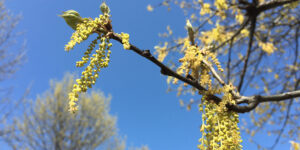
Tree Pollen – Allergies for this type of pollen occur between February and June. Types of trees that can cause hayfever symptoms are : birch, ash, cottonwood, oak, willow and hickory, this is because these types of trees have pollen which is very fine and powdery and therefore is easier for the wind to carry them, this is why on days which are warm and windy you may experience your hayfever symptoms worsening. Trees such as cherry or apple have pollen which is thicker and stickier and therefore the wind cannot carry it as easily. 
Birch pollen can cause asthma and rhin-oconjunctivitis. Oak pollen symptoms can be a cough, watery and itchy eyes, and an irritated throat.

Grass Pollen – Begins in April and peaks in June to mid- July. Types of grass that cause hayfever symptoms are: Bermuda, Johnson, Sweet Vernal, Orchard. The types of grass that are causing an allergic reaction is subject to your geographical location.

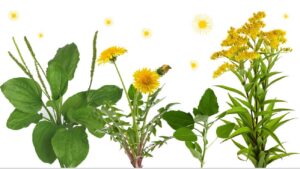
Weed Pollen – Starts appearing in late June till September. Types of weed pollen include: ragweed pollen, nettle pollen, dock pollen and mugwort pollen.

What causes Hayfever?

– Allergens such as pollen, dust, and pet hairs.

– Airborne irritants such as smoke, smog, and chemical fumes.

– Weather conditions such as high winds and dry air.

Symptoms of Hayfever

Sneezing
Runny / Blocked Nose 
Itchy / Dry / Watery / Red/ eyes 
Sore Throat / Itchy Throat

Coughing 
Nasal Congestion / Postnasal Drip 
SinusHeadache
Fatigue

Pressure pains felt around the temples, in between the eyes or a general headache feeling are due to the sinus cavities in those areas swelling, this is a mechanism the body uses to prevent more allergens from entering the body once it has detected an irritant.

In addition, sneezing is the body’s way of removing any irritants from you nose or throat that may have already found their way in.

Some people may experience more severe symptoms such as sinus infections, rashes on the skin around the nose or mouth, or even anaphylactic shock (a life-threatening allergic reaction).

If symptoms are severe, some people way find ways of limiting their exposure to pollen. For instance :

Showering after being outdoors when pollen levels are high

Drying clothes and bedding inside

Cleaning regularly to remove any pollen or dust that has collected on surfaces

Wearing sunglasses when outdoors

What is the conventional route for treating Hayfever:

There are two main routes for treating hayfever: pharmacological and immunological treatments.

PHARMACOLOGICAL ROUTE

Nasal Decongestants / Nasal Saline Irrigation

Corticosteroids

Antihistamines (if you find these work at reducing your symptoms, please see the section on the anti-histamine meal plan).

Antihistamines are medications used to relieve symptoms of allergies, such as itching, sneezing, and watery eyes. They can be taken in tablet form or nasal sprays and eye drops. Different antihistamine tablets for hayfever include cetirizine (CET), fexofenadine (FXN), loratadine (LTU), azelastine (AZE) and olopatadine (OPA). Antihistamines should not cause drowsiness but can occasionally do so.

Nasal decongestants relieve congestion by reducing swelling in the sinus cavities, meanwhile nasal saline irrigation helps to relieve symptoms by loosening mucus and cleaning the nasal passages.

Corticosteroids are prescribed to reduce inflammation in the nose during an allergic response. Corticosteroids are better at preventing and relieving symptoms than antihistamines tablets, including sneezing and congestion, watery eyes, and itchy eyes.

Some people are more prone to allergies than others

The clue as to how to resolve your hayfever is in your response to over-the-counter antihistamines. If you respond well to them, this is a clue that you have too much histamine in your bloodstream and that you may benefit from a diet that is low in histamine, whilst also using herbs and supplements that promote the breakdown of histamine.

There can be many reasons why you may struggle to degrade histamine. A condition called histamine intolerance, is where the body produces too much histamine or cannot break down histamine properly. This can cause a wide variety of symptoms, including: headache, sinus congestion, sneezing, skin rash, nausea, vomiting, diarrhea, and abdominal cramps.

A build up of histamine can be caused by excessive consumption of histamine-rich foods, foods that increase histamine production, or consuming foods that inhibit the breakdown of histamine, this can therefore lead to histamine intolerance. A low-histamine diet might be an effective way to reduce histamine levels in the body, by avoiding foods that are naturally high in histamine and that trigger the release of histamine into the body.

In addition to a build up of histamine through the consumption of histamine-rich foods, histamine intolerance can also be a result of the impairment of DAO activity or inhibition of DAO. Diamine oxidase (DAO) is an enzyme that is responsible for breaking down histamine in the body. If your body doesn’t produce enough DAO, you may have diamine oxidase deficiency. Without enough of this enzyme, you can experience histamine intolerance.

IMMUNOTHERAPY

Immunotherapy is a treatment that can be used to treat hayfever. The treatment consists of gradually either injecting into your skin or taken in a tablet form, the very allergen that you are allergic to, and then monitoring your allergic reaction in a controlled environment. This treatment normally starts 3 months in advance to pollen season, so that it can help the body gain a tolerance of the allergen and therefore reduce hayfever symptoms. Consult your GP to be referred for immunotherapy if needed.

Foods that help ease symptoms of hayfever

Ginger (anti-inflammatory) 
Bee Pollen (antioxidant)
Salmon (omega -3 fatty acids)
Turmeric (anti-inflammatory)
Pineapple (bromelain)

Kale (carotenoids)
Red Onions (quercetin)
Local Honey (build immunity to local pollen)
Garlic (antioxidant-prebiotic rich)
Berries (antioxidants, vitamin C and quercetin)

Foods to avoid when suffering with Hayfever symptoms:

Coffee
Coffee is naturally high in histamines and therefore it is better to be avoided when your body is already secreting a high level of histamine in response to pollen. Switch to decaf coffee or avoid coffee completely to keep intake of histamine low.

Nuts
Certain nuts, like cashews and walnuts contain high levels of histamine and are therefore best to be avoided. Consider consuming other types of nuts that do not contain histamine, such as pecans and macadamia nuts.

Alcohol
Alcohol, like nuts, contains histamine and also supresses the immune system. Switch to non-alcoholic drinks or decrease consumption of alcoholic beverages.

Dairy Products
Dairy products encourage the production of mucous and may thicken the mucous that is already present when suffering with symptoms of hayfever. Opt for dairy alternatives like almond, oat or soya milk.

Chocolate
Although this may sadden many hayfever sufferers to hear, chocolate contains histamine and therefore may worsen hayfever symptoms. Cacao is a perfect alternative as it contains less dairy, sugar and histamine.

Herbs to help with Hayfever symptoms

Red Clover (isoflavones)
Rosemary (reduces our reaction to pollen and reduces congestion)
Chamomile (contains azulene, a natural antihistamine)
Nettle Leaf (anti-inflammatory, inhibits the process that causes our body to release histamine, source of chlorophyll and iron which are a natural antihistamine)
Eyebright (natural anithistamine, calms inflammation)
Peppermint (reduces inflammation)
Ginger (anti-inflammatory)
Liquorice (reduce respiratory tract inflammation)
Elderflower (anticatarrhal)

Many of these herbs can be steeped to form a herbal tea, and some can be ingested in foods that help relieve hayfever symptoms. Not only will the herbs help with hayfever, but the heat from the tea will act as a form of steaming, which will loosen mucous in the nasal cavities and reduce congestion, and therefore reduce any sinus pressure/pain.

Nutrients / Supplements helpful for Hayfever

Polyphenol – A group of antioxidants found in fruits and vegetables
N-Acetyl Cysteine – Vital for antioxidant production and detoxification, loosens mucous in airway passages
Quercetin – Antioxidant, antihistamine and anti- inflammatory properties
Propolis – Contains antiviral and immune-protecting bioflavonoids
Bee Pollen – Contains antioxidants and vitamins which help to reduce histamine levels
Probiotics – Increasing and diversifying the microbiome in the gut strengthens the immune system and therefore may reduce our response to allergens

Probiotic species that may need to be avoided:

Bacteria found in fermented foods, such as yoghurt should be avoided as they increase histamine production.

Note: not all strains in this species may have this affect but to be on the safe side should be avoided.

The Probiotic strains to avoid are as follows:

Lactobacillus casei
Lactobacillus Bulgaricus
Streptococcus thermophilus
Lactobacillus delbrueckii
Lactobacillus helveticus

Probiotic Strains that are Beneficial

Bifidobacterium infantis
Lactobacillus gasseri
Bifidobacterium breve
Bifidobacterium bifidum
Lactobacillus salivarius
Lactobacillus rhamnosus (especially GG)

These strains are known to downgrade histamine. Some evidence has identified specific strains like L. rhamnosus GG which reduces hayfever symptoms by increasing the efficiency of anti-inflammatory agents in the gut, this then makes the gut more immune and less permeable to bacteria which causes a histamine reaction.

Conclusion

If you’re one of the many people who suffer from hayfever, there are things you can do to ease your symptoms. Try a cup of our Herbal tea, our Summertime tincture made from hayfever-fighting herbs, and our Hayfever Meal Plan that includes anti-inflammatory foods.

Further info on which Probiotic is best for reducing histamine levels

Shop Hayfever tea and Summertime tincture 

 Shop Probiotics

WordPress Lightbox
Save & Share Cart
Your Shopping Cart will be saved and you'll be given a link. You, or anyone with the link, can use it to retrieve your Cart at any time.
Back Save & Share Cart
Your Shopping Cart will be saved with Product pictures and information, and Cart Totals. Then send it to yourself, or a friend, with a link to retrieve it at any time.
Your cart email sent successfully :)

Listen to your Body Whispers

Find out what your Body is trying to tell you...